Your eyebrows play a surprisingly important role in framing your face. Whether your brows are naturally sparse, uneven, over-plucked, or simply lacking definition, the right aesthetic treatment can make a noticeable difference in your overall appearance.
When people search for microdermabrasion for eyebrows, they may be looking for a way to improve the skin around the brow area, refresh the appearance of the skin, or understand how exfoliation fits into their overall brow-care routine. However, it is important to understand that microdermabrasion and Microblading Treatment serve very different purposes.
At Iconic Plastic Surgery, aesthetic services are personalized around each patient's goals and skin needs. The practice offers professional skin treatments, microdermabrasion, and microblading as part of its broader aesthetic services in San Diego, California.
What Is Microdermabrasion?
Microdermabrasion is a non-invasive exfoliating treatment designed to remove surface buildup and refresh the skin. At Iconic Plastic Surgery, microdermabrasion uses a diamond-tip suction wand to provide deeper exfoliation while helping remove excess dirt and sebum from the skin.
The treatment focuses primarily on the skin rather than the eyebrow hairs themselves. By gently exfoliating the outermost layer of the skin, microdermabrasion can help create a smoother, cleaner-looking surface.
For people concerned with the appearance of the skin around their eyebrows, professional exfoliation may be incorporated into a broader skincare routine. However, treatment around the delicate eye and brow area should always be performed carefully and by an appropriately trained professional.
Can You Get Microdermabrasion for Eyebrows?
The phrase microdermabrasion for eyebrows can be somewhat misleading. Microdermabrasion is not a brow-shaping or eyebrow tattooing procedure. It does not create individual brow hairs, add pigment, or permanently change the shape of your eyebrows.
Instead, microdermabrasion is a skin-focused treatment that may help improve the appearance and texture of the surrounding skin.
If your primary concern is sparse or thinning eyebrows, you may be considering a treatment specifically designed to add definition. That is where microblading may be more appropriate.
Microdermabrasion vs. Microblading Treatment
Although the names sound similar, microdermabrasion and microblading are completely different treatments.
Microdermabrasion focuses on exfoliating and refreshing the skin. It can help remove surface buildup and excess oil while leaving the skin looking smoother and more illuminated.
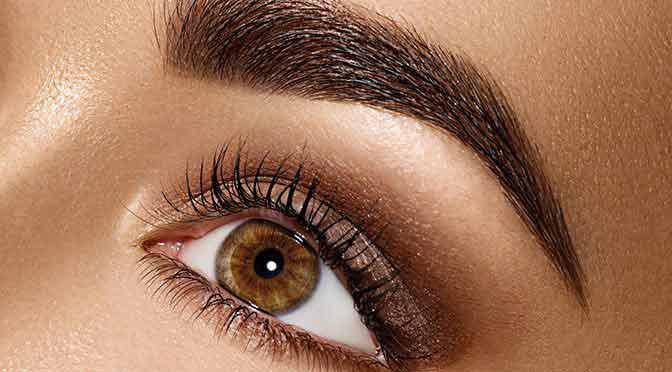
Microblading treatment, on the other hand, is a semi-permanent cosmetic procedure designed to enhance the appearance of the eyebrows. According to Iconic Plastic Surgery, microblading uses fine strokes to create the appearance of individual brow hairs and can be used to fill sparse areas, define the brows, or reconstruct eyebrows that have been significantly lost.
This distinction is important when choosing an aesthetic treatment. If you want healthier-looking, refreshed skin around your brows, an exfoliating treatment may be worth discussing. If you want fuller-looking brows with added definition, microblading may better match your goals.
What Is a Microblading Treatment?
Microblading is a semi-permanent pigmentation technique that creates realistic, hair-like strokes within the eyebrow area. At Iconic Plastic Surgery, pigment selection takes factors such as natural or desired brow color and skin tone into consideration.
The procedure can be particularly helpful for people with:
Sparse or thinning eyebrows
Over-plucked brows
Uneven brows
Gaps within the brow
Minimal or missing eyebrow hair
A desire for more defined-looking brows
The goal is not simply to make the eyebrows darker. A properly planned treatment considers the shape, arch, thickness, and overall balance of the brows so they complement the patient's facial features.
What Should You Expect During Microblading?
A typical microblading appointment takes approximately one to two hours, according to Iconic Plastic Surgery. The aesthetician works within the eyebrow area to create individual-looking strokes and build the desired shape and appearance.
Immediately after treatment, the brows can appear darker than expected. This is generally part of the early healing process as the pigment settles. Temporary redness, swelling, or sensitivity may also occur.
Patients are typically given aftercare instructions to help protect the treated area while it heals. Iconic Plastic Surgery advises limiting exposure to sunlight, swimming pools, and saunas during the initial healing period.
How Long Does Microblading Last?
Microblading is not considered permanent in the same way as a traditional tattoo. The pigment is placed more superficially and gradually fades over time.
Iconic Plastic Surgery states that microblading results typically last about one to three years, although longevity can vary depending on factors such as skin type, age, skincare routine, and other individual characteristics. A touch-up is generally recommended approximately four to six weeks after the initial treatment, with maintenance touch-ups often suggested every 12 to 18 months.
Skincare products containing exfoliating ingredients, including alpha-hydroxy acids and glycolic acid, may contribute to faster fading because they increase skin resurfacing.
Can Microdermabrasion and Microblading Be Combined?
This is an important area to discuss with your aesthetic professional.
Because microblading involves pigment placed into the skin, aggressive exfoliation directly over freshly treated brows may interfere with the healing process or contribute to premature fading. For this reason, patients should not assume that microdermabrasion can be performed over newly microbladed eyebrows.
Instead, your provider can help determine an appropriate skincare schedule based on when your microblading was performed, how your skin is healing, and the products or treatments included in your routine.
At Iconic Plastic Surgery, treatment planning is personalized to the patient's individual aesthetic goals and needs.
Choosing the Right Brow Treatment for Your Goals
Before scheduling a treatment, think about what you actually want to improve.
If your goal is smoother, refreshed-looking skin, ask about professional exfoliation and whether microdermabrasion is appropriate for your skin.
If your goal is fuller, more defined-looking eyebrows, ask about microblading treatment.
If you have concerns about both your skin and brows, a professional can help determine whether different treatments can safely be incorporated into your overall aesthetic plan.
Why Choose Iconic Plastic Surgery?
Iconic Plastic Surgery in San Diego, California, combines plastic surgery and aesthetic services under the direction of Dr. Gehaan D'Souza, a cosmetic and reconstructive surgeon. The practice emphasizes personalized treatment plans based on each patient's goals and anatomical needs.
Its aesthetic services include professional skincare treatments, microdermabrasion, microblading, facials, chemical peels, microneedling, and other non-surgical options.
This broad range of services allows patients to discuss their concerns and explore treatments that fit their individual needs rather than taking a one-size-fits-all approach.
Final Thoughts
Understanding the difference between microdermabrasion for eyebrows and Microblading Treatment can make it much easier to choose the right option.
Microdermabrasion is primarily a skin-exfoliation treatment that can help refresh the appearance and texture of the skin. Microblading is a semi-permanent brow enhancement technique intended to create the appearance of fuller, more defined eyebrows.
If you're considering either treatment, a personalized consultation is a good place to start. The right approach depends on your skin, existing brow shape, aesthetic goals, and overall skincare routine.
Iconic Plastic Surgery offers both professional skin treatments and microblading services for patients in San Diegoand surrounding Southern California communities.